Nutritional Foundations for Male Well-being
Discover the essential principles of nutrition and their role in supporting overall health, vitality, and wellness for men. An independent educational resource dedicated to making nutritional science accessible and understandable.

Introduction to Male Nutritional Needs
Nutrition plays a fundamental role in supporting male health and well-being. The human body requires a carefully balanced combination of nutrients to function optimally, maintain energy levels, support cellular processes, and promote longevity.
Understanding nutritional principles helps individuals make informed decisions about their dietary choices. This knowledge empowers men to recognize how different foods contribute to their overall vitality and quality of life.
The relationship between diet and well-being extends beyond immediate hunger satisfaction. Proper nutrition supports cognitive function, emotional stability, physical resilience, and the body's natural regenerative processes.

Macronutrients: Energy and Building Blocks
Understanding the Three Primary Macronutrients
Macronutrients form the foundation of human nutrition. These are the nutrients required in large quantities to provide energy and support bodily functions.
Carbohydrates
Carbohydrates are the body's primary source of energy. They are broken down into glucose, which fuels the brain, muscles, and other organs. Whole grains, legumes, fruits, and vegetables provide complex carbohydrates that offer sustained energy and essential dietary fiber.
Proteins
Proteins are essential amino acid chains that support muscle function, enzyme production, immune response, and hormone regulation. They are found in diverse sources including fish, poultry, legumes, eggs, and plant-based foods, each contributing different nutritional profiles.
Fats
Dietary fats support hormone production, nutrient absorption, cell membrane integrity, and brain function. Understanding the types of fats—including monounsaturated fats from olive oil and nuts, and polyunsaturated fats from fish—helps identify foods that contribute to overall well-being.
Essential Vitamins for Men
Vitamins are vital micronutrients that support hundreds of biochemical processes. Here are key vitamins and their roles in maintaining overall health:
Vitamin D
Supports bone health, immune function, and calcium absorption. Found in fatty fish, egg yolks, and produced by the body when exposed to sunlight.
Vitamin B Complex
Includes B6, B12, and folate. These vitamins support energy metabolism, nervous system function, and red blood cell formation. Found in whole grains, legumes, and animal products.
Vitamin A
Supports vision, immune function, and skin health. Found in orange vegetables, dark leafy greens, and animal sources like liver and dairy.
Vitamin C
Essential for collagen synthesis, immune support, and antioxidant protection. Abundant in citrus fruits, berries, and colorful vegetables.
Vitamin E
Functions as an antioxidant protecting cells from damage. Found in nuts, seeds, vegetable oils, and leafy greens.
Vitamin K
Essential for blood clotting and bone metabolism. Found abundantly in leafy greens, broccoli, and Brussels sprouts.
Each vitamin plays a distinct role in maintaining physiological balance. A varied diet that includes a spectrum of colorful foods—from deep greens to vibrant oranges—naturally provides the full range of vitamins the body requires.

Key Minerals for Male Health

Essential Minerals and Their Functions
Zinc: Supports immune function, wound healing, and cellular processes. Found in oysters, beef, pumpkin seeds, and legumes.
Magnesium: Involved in over 300 enzymatic reactions, supporting muscle function, energy production, and nervous system regulation. Found in spinach, almonds, black beans, and whole grains.
Iron: Essential for oxygen transport in the blood and energy metabolism. Heme iron from animal sources (beef, fish, poultry) is more easily absorbed than plant-based iron from legumes and grains.
Calcium: Critical for bone health, muscle contraction, and nerve transmission. Found in dairy products, leafy greens, and fortified plant-based alternatives.
Potassium: Regulates fluid balance, nerve transmission, and muscle contraction. Abundant in bananas, sweet potatoes, spinach, and beans.
The Role of Whole Grains and Fiber
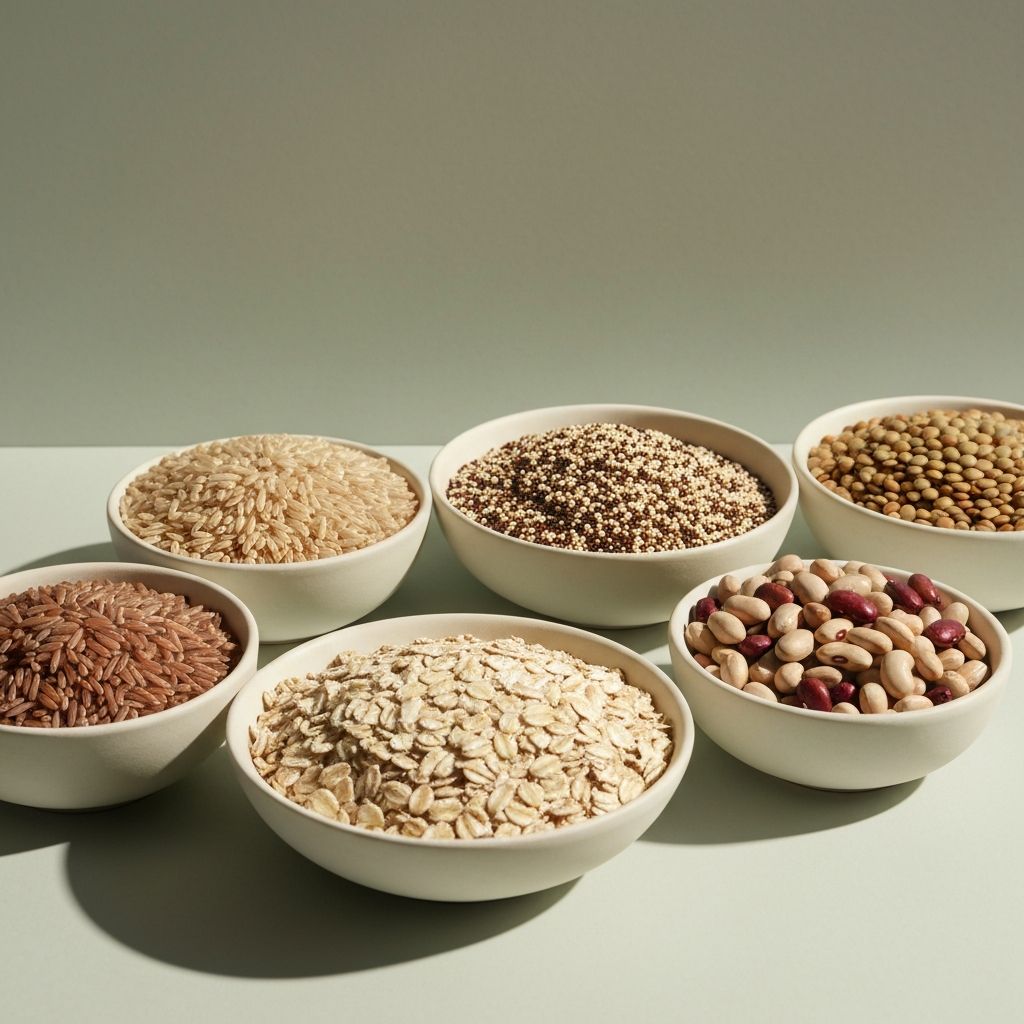
Whole grains and dietary fiber play crucial roles in digestive health and sustained energy provision. Unlike refined grains that have been stripped of their nutrient-dense components, whole grains retain their bran, germ, and endosperm—all containing valuable nutrients and fiber.
Benefits of Whole Grains
- Provide sustained energy through slow carbohydrate release
- Support healthy digestive function
- Contribute to cholesterol management
- Offer B vitamins, minerals, and antioxidants
- Promote satiety and stable blood sugar levels
Fiber and Digestive Health
Dietary fiber supports digestive health by promoting regular bowel function, feeding beneficial gut bacteria, and contributing to feelings of fullness. Legumes, whole grains, vegetables, and fruits are excellent fiber sources.
Examples of Whole Grain Foods
- Brown rice, quinoa, and other whole grains
- Whole grain bread and pasta
- Oats and barley
- Legumes such as lentils and beans
Incorporating whole grains and fiber-rich foods into daily meals supports sustained energy, digestive comfort, and overall vitality. These foods form the foundation of balanced eating patterns across many cultures and dietary traditions.
Protein Sources and Their Importance

Protein's Role in Body Function
Proteins are composed of amino acids that form the building blocks for muscles, enzymes, hormones, and immune cells. The body requires an adequate supply of protein to maintain tissue integrity and support vital physiological processes.
Diverse Protein Sources
Animal-based proteins: Fish, poultry, eggs, and dairy products provide complete proteins containing all essential amino acids. These are readily utilized by the body.
Plant-based proteins: Legumes, nuts, seeds, and whole grains offer valuable protein, often combined with fiber and minerals. Combining different plant proteins throughout the day ensures access to all essential amino acids.
A varied approach to protein intake—incorporating both animal and plant sources—provides a spectrum of nutrients and supports overall nutritional balance.
Healthy Fats: Understanding Their Benefits
Not all fats are created equal. While excessive fat intake contributes to nutritional imbalance, healthy fats are essential for numerous bodily functions.
Types of Dietary Fats
Monounsaturated fats: Found in olive oil, avocados, and nuts. Support heart health and nutrient absorption.
Polyunsaturated fats: Found in fish, seeds, and vegetable oils. Include omega-3 and omega-6 fatty acids that support brain and cardiovascular function.
Saturated fats: Found in animal products and tropical oils. Should be consumed in moderation as part of a balanced diet.
Trans fats: Primarily from industrial processing. Generally avoided in a health-conscious diet.
Functions of Dietary Fat
- Facilitates absorption of fat-soluble vitamins (A, D, E, K)
- Supports hormone production
- Provides essential fatty acids the body cannot produce
- Contributes to cell membrane integrity
- Supports brain function and cognitive health
Incorporating healthy fat sources—such as olive oil in cooking, fish in meals, and nuts as snacks—supports overall well-being while maintaining nutritional balance. Quality and quantity of fat intake both contribute to optimal health.

Hydration and Well-being
The Importance of Water
Water is essential to life, comprising approximately 60% of adult body weight and playing critical roles in every physiological process. Adequate hydration supports nutrient transport, temperature regulation, waste elimination, cognitive function, and physical performance.
Hydration Guidelines
Individual water needs vary based on activity level, climate, and overall health. General guidelines suggest daily water intake equivalent to at least 8 glasses, though requirements may be higher for active individuals.
Signs of Adequate Hydration
- Clear or light-colored urine
- Consistent energy levels throughout the day
- Good cognitive function and concentration
- Healthy skin appearance
- Regular digestion
Hydration Beyond Water
While water is primary, hydration also comes from beverages like herbal tea and from water-rich foods such as fruits and vegetables. All these sources contribute to overall fluid intake.
Dietary Patterns for Lifelong Health

Principles of Balanced Eating
Rather than restrictive dieting, sustainable health comes from adopting balanced eating patterns that emphasize variety, whole foods, and enjoyment of meals.
Mediterranean Diet Principles
The Mediterranean dietary pattern, studied extensively for its health benefits, emphasizes:
- Abundant vegetables, fruits, whole grains, and legumes
- Olive oil as primary cooking fat
- Regular fish and seafood consumption
- Moderate poultry, eggs, and dairy intake
- Limited red meat and processed foods
- Enjoyment of meals in social contexts
Building Your Balanced Plate
A practical approach includes filling half your plate with vegetables and fruits, one quarter with lean protein, and one quarter with whole grains. This visual guide helps ensure nutritional diversity at each meal.
Understanding Food Labels
Reading and Interpreting Food Labels
Food labels provide valuable information for making informed dietary choices. Learning to read and interpret these labels empowers consumers to understand exactly what they are purchasing and consuming.
Key Label Components
Serving size: The reference amount for all nutrient information listed. Compare this to actual consumption to determine total nutrient intake.
Calories: Total energy provided per serving. This figure helps understand energy density of foods.
Nutrient breakdown: Lists amounts of macronutrients (carbohydrates, protein, fat) and key micronutrients (vitamins and minerals). The Daily Value percentage helps assess nutrient density.
Ingredient list: Ingredients listed in descending order by weight. Reviewing this helps identify primary components and potential additives.
Making Informed Choices
- Compare labels across similar products
- Look for whole foods with minimal ingredients
- Understand terminology like "natural," "whole," and "enriched"
- Consider nutrient density relative to calories
Lifestyle Factors Beyond Diet
Nutrition in Context of Overall Well-being
While nutrition is fundamental, other lifestyle factors significantly influence health and well-being. These factors work synergistically with nutritional choices to support vitality.
Physical Activity
Regular movement supports cardiovascular health, muscle function, bone density, mental health, and metabolic efficiency. Physical activity works in concert with proper nutrition to optimize body function.
Sleep Quality
Adequate, quality sleep is essential for physical recovery, cognitive function, immune health, and emotional regulation. Sleep and nutrition interact significantly, with each supporting the other's effectiveness.
Stress Management
Chronic stress negatively impacts digestion, nutrient absorption, and immune function. Practices that promote relaxation complement nutritional efforts.
Social Connection
Eating in social contexts and maintaining meaningful relationships supports psychological well-being, which positively influences all aspects of health.
Glossary of Nutritional Terms
Common nutritional terms explained for better understanding:
Understanding nutritional terminology enhances ability to evaluate dietary information critically and make choices aligned with personal wellness goals.

Explore Our Knowledge Hub
Discover more detailed information about nutrition, health, and wellness for men. Browse our additional resources and educational materials.
Learn More